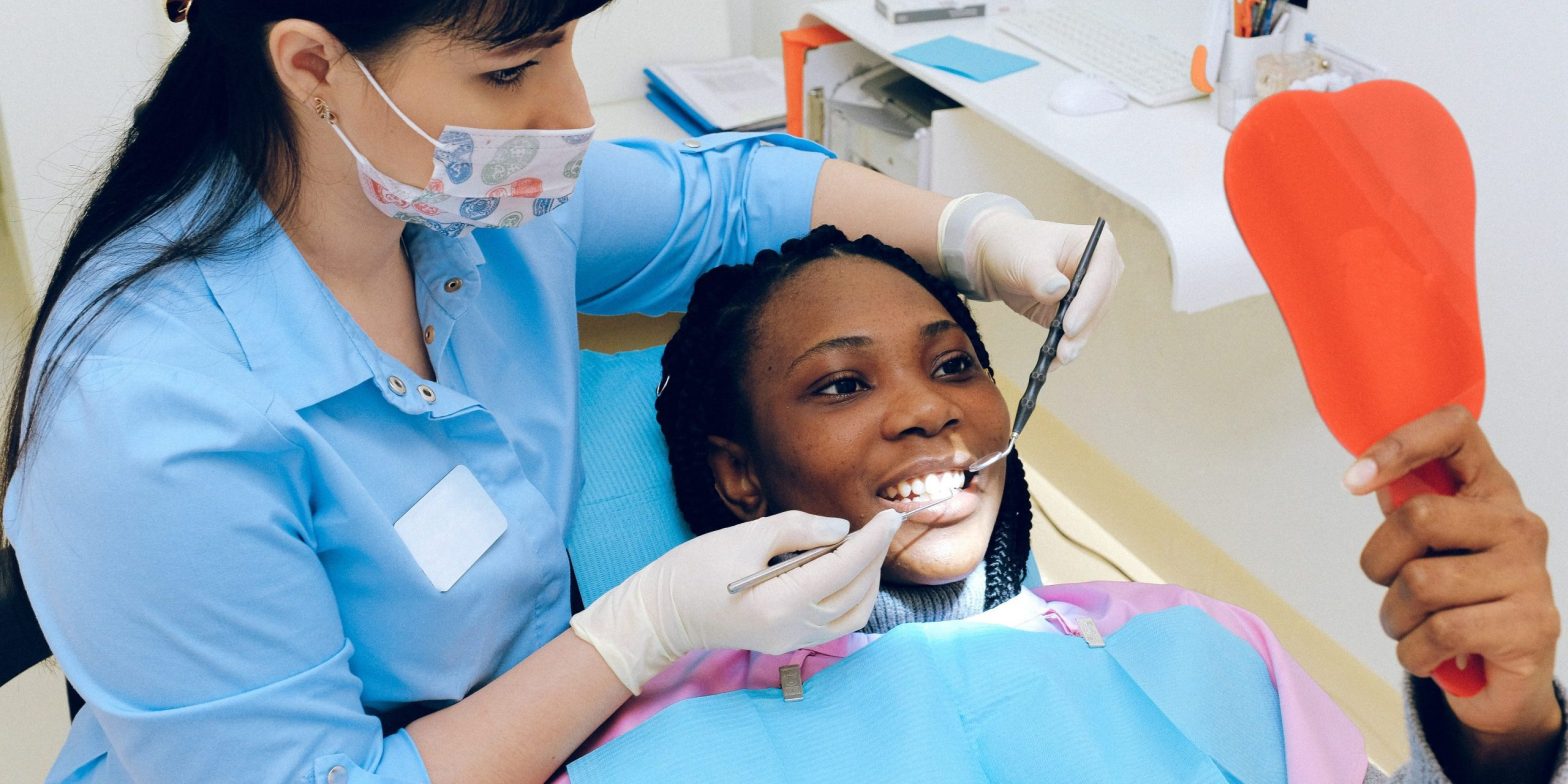
Wisdom Teeth Extraction
Your wisdom teeth are the third set of molars at the very back of your mouth. Not everyone has wisdom teeth, but for most people, they grow in between the ages of 17 and 25. Most people will need to have at least one, if not all, of their wisdom teeth extracted. There are several reasons why you may need to have your wisdom teeth removed.
Why Do Wisdom Teeth Need to Be Removed?
One of the main reasons Dr. Omid would recommend wisdom teeth extraction would be due to pain. Because wisdom teeth are so close to the nerves in the jaw, when they come in, it can be extremely painful. They may not have the space to come in properly, leading to impaction. If they do become impacted, it can cause even more pain, leading to headaches and jaw swelling.
There are other reasons that Dr. Omid may recommend wisdom teeth extraction.
Sinus Complications
Due to the proximity to your sinuses, if your wisdom teeth or the gums around them develop an infection, you can end up with sinus pain or infection resulting in pain, inflammation, and headaches.
Overcrowding
Even if your wisdom teeth do grow in properly, they can cause overcrowding, which makes brushing and flossing less effective leading to decay and damaging the adjacent teeth, gums, and roots. If you’ve had orthodontic treatment, overcrowding can reverse the results you achieved.
What Age Do Wisdom Teeth Come In?
Wisdom teeth usually emerge between the ages of 17 and 25. Your body doesn’t begin the process of forming wisdom teeth until about the age of 7 and dentists can usually spot them on an x-ray sometime after the age of 12.
When Should I Have My Wisdom Teeth Extracted?
The timing for wisdom teeth extraction depends on personal dental health and history. We may recommend removing them earlier rather than later, usually before the patient turns 18 to 20, to avoid issues that can arise in the future once the third molars erupt. In some cases, we may extract them before they emerge.
What Should I Expect During Wisdom Teeth Removal?
We will start with a consultation appointment. During this appointment, Dr. Omid’s team will take diagnostic digital x-rays to help them see how these teeth are impacting adjacent teeth. X-rays will also show us exactly where the teeth are, something that’s important if you’re dealing with impacted teeth.
In addition to evaluating the x-rays, Dr. Omid will do an oral examination, checking for decay and gum disease.
Based on his exam and the information obtained from the x-rays, we will work with you to create a treatment plan that will fit your unique needs. Not only will you discuss why extractions are necessary, but how to ensure your comfort during the extraction appointment and minimize your recovery time.
Is Wisdom Teeth Extraction Painful?
Dr. Omid will talk with you about your chosen method of sedation before the extraction begins. Once you’re relaxed or asleep, he’ll numb the gums around your wisdom teeth. We make sure to use a level of sedation that will keep you comfortable so that you don’t experience any pain. You may feel a bit of pressure, but if you feel pain, let your dentist know so that we can address it right away.
What Sedation Options Are Available for Wisdom Teeth Extraction?
There are three main sedation options available.
· Oral sedation medication to be taken before your appointment
· General sedation is given through an IV to induce unconsciousness
· Nitrous oxide, a gas that you breathe through a mask that will keep you calm
How Are the Wisdom Teeth Removed?
Depending on how much of the tooth is visible, the extraction will be done one of two ways.
Simple Extraction
If the teeth have fully erupted and are in good condition (not broken, without deep decay), the teeth can be removed fairly easily with forceps.
Surgical Extraction
In cases of full- or partially-impacted teeth – or if there are other issues like decay, infection, or bone disease – you may need a surgical extraction. In this case, your Santa Barbara dentist will use a scalpel to expose the tooth and roots. Then, he’ll remove the tissue connecting the wisdom tooth to the bone, making it easier for him to remove the wisdom tooth itself.
 Ash Emrich